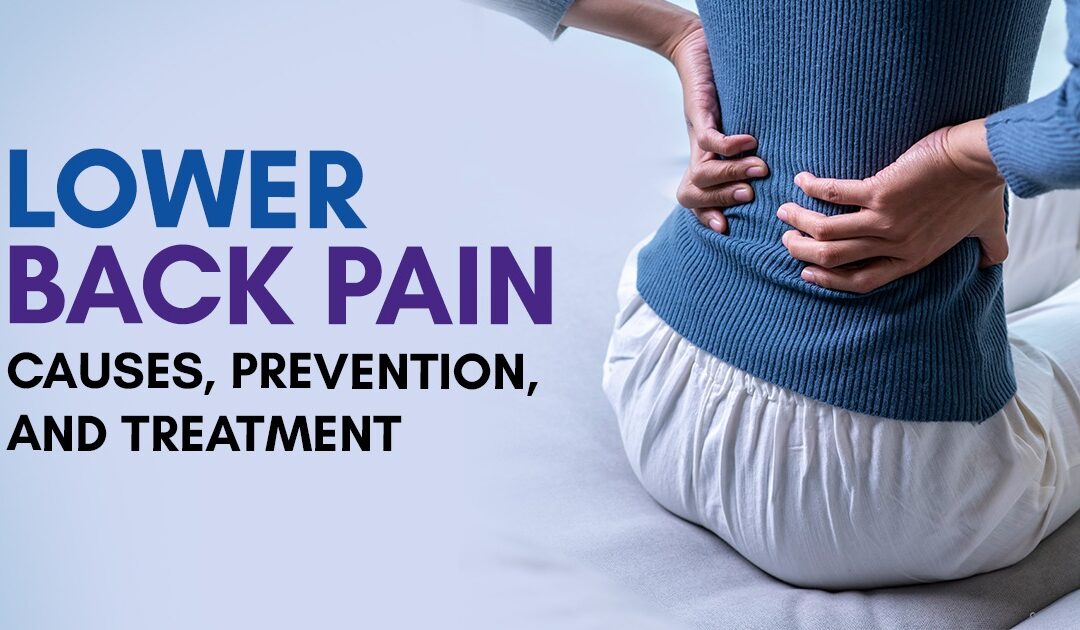
Lower back pain is something most of us experience at least once in our lives. It may begin as a mild discomfort after a long day or a sudden stiffness when getting out of bed. Many people ignore it in the early stages, assuming it is simply tiredness or muscle strain. However, when the pain starts returning frequently or interferes with daily activities, it becomes clear that the body is asking for attention.
Today, lower back pain has become increasingly common among people of all age groups. Long working hours, constant screen use, stress, lack of proper rest, limited physical activity, etc., are some of the factors that quietly contribute to this growing problem. When left unaddressed, even mild discomfort can slowly develop into persistent pain that affects quality of life.
In this blog, let us understand some of the causes, prevention methods, and treatment options that can help individuals take better care of their health and avoid long-term discomfort.
● Poor posture
Lower back pain usually develops because of a combination of daily habits that cause physical strain. One of the most common causes is poor posture. Many people spend several hours sitting at desks, working on laptops, or using mobile phones. Sitting with a bent back or slouched shoulders places unnecessary pressure on the lower spine. Eventually this pressure leads to muscle strain, pain, and discomfort.
● Lack of physical activity
Lack of physical activity is another major factor. Modern routines often involve minimal movement such as travelling by vehicle, working long hours in front of screens, little to no time for exercise, etc. When back muscles are not used regularly, they weaken and fail to support the spine properly. Weak muscles make the lower back more vulnerable to pain and stiffness.
● Improper lifting
Improper lifting of heavy items also contributes to back pain. Carrying heavy grocery bags, lifting furniture, or handling household items without proper posture and rest can strain the lower back. Many people do not realise how often they place unnecessary stress on their spine during routine tasks. Sudden movements and bending from the waist instead of the knees also increase the risk of injury.
● Stress and medical conditions
Stress and emotional tension also causes muscles to tighten without us noticing. When the body remains tense for long periods, stiffness develops in the neck, shoulders, and lower back. In some cases, medical conditions such as arthritis, slipped discs, injuries, or kidney-related issues may also be responsible for severe or long-lasting pain. That is why persistent or unusual lower back pain should never be ignored.
Daily impact
Lower back pain affects much more than just physical comfort. It can make simple actions like bending, walking, or even sitting for a while feel uncomfortable. Sleep may get disturbed, and daily tasks that once felt easy can slowly start to feel tiring. Many people continue managing work, home, and responsibilities despite the pain, but pushing through discomfort only makes the problem worse.
When the pain becomes frequent or constant, it can reduce movement and confidence in doing everyday activities. Some people may also notice mood changes, tiredness, or irritation because living with ongoing pain is emotionally draining too. Over time, this can affect both physical and mental well-being. Paying attention to early signs and caring for our back can prevent the pain from becoming severe and long-lasting.
Prevention
Preventing lower back pain begins with simple, mindful daily habits such as
- Maintaining correct posture while sitting and standing.
- Using chairs with proper lower back support.
- Keeping screens at eye level and taking regular stretch breaks.
- Staying active with walking, yoga, or gentle exercises daily.
- Stretching after long periods of sitting to prevent stiffness.
- Lifting heavy objects carefully by bending knees and keeping back straight.
- Maintaining a healthy weight to reduce pressure on the spine.
Treatment
If lower back pain begins, caring for it early can prevent it from becoming serious. Gentle rest, warm compresses, and light stretching often help ease discomfort and relax tight muscles. Warm baths or soft massages may also improve comfort. Light to moderate physical activity is also important as too much bed rest can increase stiffness and slow recovery.
Pain relief medicines may provide temporary support, but they should be taken only with proper medical advice. If pain continues, physiotherapy and guided exercises can strengthen the back and improve posture.
Also, it is important to seek immediate medical help if the pain is severe, lasts for several weeks, spreads to the legs, or causes numbness. Early treatment helps identify the cause and supports quicker and more effective recovery.
Final thoughts
The lower back supports nearly every movement we make each day. Caring for it with good posture, regular movement, and timely treatment can improve comfort and overall well-being. Small daily efforts go a long way in keeping the spine healthy. Listening to your body and responding early can help you stay active, comfortable, and pain-free.