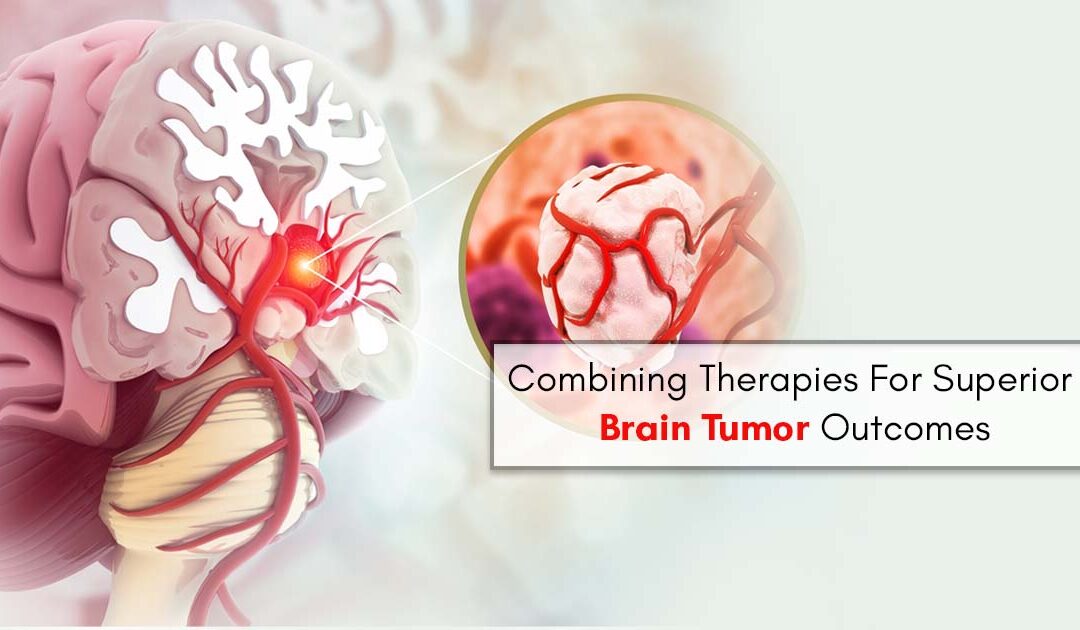
A brain tumor is defined by the growth of cells in the brain or the brain’s surroundings. Brain tumors may also be surrounding the brain tissue. The areas may also be the nerves, the pituitary gland, the pineal gland and the membranes covering the brain surface.
There are two broad types of brain tumors: primary and secondary. Primary brain tumors are brain tumors that occur in their brain. The secondary brain tumors or metastatic brain tumors are tumors that travel to the brain from other parts of the body.
There are a number of primary brain tumors. The noncancerous, or benign, brain tumors are those that are not cancerous. They grow in size with the passage of time and press upon the brain tissues. The rest of the brain tumors are brain cancers, also known as malignant brain tumors. These brain cancers grow very fast. The cancer cells invade and kill the brain tissue as well.
The brain tumor may be very small or very enormous in size. Some brain tumors are found when they are very small because they produce symptoms that you notice almost right away. But there are some brain tumors that grow very enormous before they can be detected. Some areas of the brain are usually less active than other areas. When a brain tumor develops in the less active area of the brain, the symptoms may not be noticed right away. The brain tumor may grow very enormous before the tumor can be detected. The treatment of the brain tumor will be determined by the type of brain tumor you have, as well as where it is located and how enormous it is. Common treatments may be surgery and radiation therapy.
Brain tumors continue to be the most feared oncology malignancy, affecting thousands of patients annually and frequently with multifaceted, high-grade illness. Yet, despite this, new developments in combined, multimodal treatment of brain tumors are transforming management of brain tumors, with possible enhanced survival and quality of life. This blog discusses how the convergence of standard, targeted, and novel therapies, propelled by precision medicine and high technology, has the promise to maximize brain tumor patient outcomes.
Purchasing Integrated Brain Tumor Therapy
Multimodality treatment of brain cancer is the organized unification of treatment modalities such as planned surgery, radiation, chemotherapy, targeted therapy, immunotherapy, and complementary therapies to attack the tumor on multiple fronts. The aim is to maximize tumor control, minimize side effects, and individualize treatment to the distinct biology of the tumor in each patient.
The Five Principles of Integrated Therapy
1. Advanced Imaging and Surgical Techniques
Surgical resection remains the definitive treatment for most brain tumors, especially for those tumors that can be removed safely. Progress in neuroimaging and intraoperative techniques now allows for better tumor localization and safer and more effective resections with reduced risk of neurological damage.
2. Chemotherapy and Radiation
Radiation, either external beam or stereotactic radiosurgery, is often employed to destroy microscopic residual cancer cells following surgery or in the case of unresectable tumors. Chemotherapy, for example, temozolomide, is often given together with radiation in the case of malignant tumors like glioblastoma. Current studies indicate that concurrent delivery of chemotherapy and radiotherapy with the observation of high-level control systems has the potential to reduce dosages and treatment time needed, decreasing toxicity without loss of effect.
3. Precision and Targeted Therapies
Molecular characterization of the tumor ushered in the age of precision medicine. With the examination of the individual tumor’s molecular and genetic features, the clinician can select the targeted therapy, e.g., PARP inhibitors in DNA repair deficiency or IDH mutation-targeted therapy and offer customized treatment regimens based on the individual susceptibility of the tumor. This is a fast-developing area, with new clinical trials being conducted to establish new combinations of drugs based on tumor genomics.
4. Immunotherapy and Blood-Brain Barrier Breakthroughs
Immunotherapy, in the form of checkpoint inhibitors, is highly promising for certain brain cancers. However, the blood-brain barrier (BBB) will tend to inhibit drug delivery. Novel technologies, such as implantable ultrasound devices that temporarily open the BBB, now enable delivery of immunotherapy and chemotherapy directly into the tumor, which enhances immune recognition and targeting of cancer cells.
5. Integrative and Complementary Therapies
For these patients requiring supportive care or intolerant of conventional therapies, integrative modalities of oncology and oncothermia, high-dose vitamin C, acupuncture, yoga, and dietary modification are capable of improving quality of life and even reducing tumors. Reduction of tumors and improved sense of well-being have been reported with these therapies in case reports, but additional data are needed to validate these reports.
The Application of Artificial Intelligence and Other Models
Artificial intelligence (AI) is transforming the management of brain tumors with the use of immense volumes of imaging, genomic, and clinical data to inform diagnosis, predict therapeutic response, and personalize therapy regimens. AI programs may be able to help clinicians in choosing the most promising treatments to combine, tracking for improvement, and modulating approaches in real-time.
Yet another innovation is patient-specific tumor organoids, which are exact small-scale models of the patient’s tumors. Organoids allow doctors to try out different treatments in the lab and predict what drugs or drug combinations to use before actually administering them to the patient. This is making the promise of genuinely personalized medicine in the treatment of brain tumors a reality.
Best Results: Integrated Therapy of the Future
The future of brain tumor management lies in the combination of surgery, radiation, chemotherapy, targeted therapy, immunotherapy, AI, and complementary medicine. The optimal methods of transferring maximum benefits are
- Personalized Treatment Plans: Employ molecular diagnostics and AI to personalize treatment to each patient’s tumor.
- Toxicity Minimization: Using sophisticated control systems and site-directed delivery in an attempt to minimize side effects while preserving brain function.
- Improving Drug Therapy: Transporting drugs through the BBB with novel technologies for the treatment of disease where it is required.
- Holistic Care: Blending support and complementary therapies to regain body, mind, and emotional well-being. Continuing innovation: Use of clinical trials and new technology when they become available. Integrated treatment of brain tumors is no longer the promise of the future but is increasingly the new standard of care for the treatment of patients with these challenging diagnoses.
Through the synergistic blending of the best of current and novel therapies, further enlightened by precision medicine and cutting-edge technologies, clinicians can offer patients the best chance for long-term survival, improved function, and improved quality of life. With continuous innovation through continued investigation, the future holds much more for patients with brain tumors.